
Getting overwhelmed by the news is an everyday struggle for those wishing to stay in touch with the latest news. Our newsletter should make it easier for those interested in pharmacovigilance regulations, advancement in the relevant use of artificial intelligence, and personal growth. Approaching with care, the same as we provide PV services, we thoughtfully pick articles every month to keep you updated.
The U.S. Food and Drug Administration today announced the deployment of agentic AI capabilities for all agency employees.
Disproportionality analysis, finding associations in the co-reporting of drugs and events, is widely used in pharmacovigilance to detect potential safety signals of adverse drug reactions.
How to submit information on authorised and investigational medicines.
And much more...

How to submit information on authorised and investigational medicines
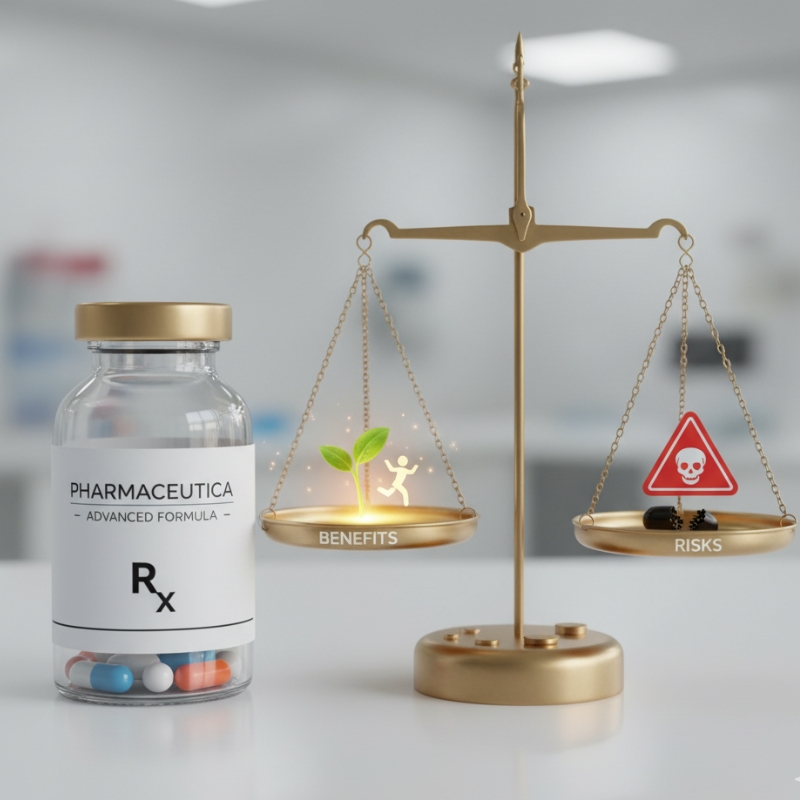
Medicines can prevent or treat diseases and help manage the symptoms of multiple health conditions. They can change people’s lives, make them live longer and improve their quality of life. However, every medicine comes with risks.

In the pharmaceutical industry, due diligence (DD) is a critical, cross-functional process used to evaluate the scientific and regulatory viability of products, particularly during in-licensing or acquisition.
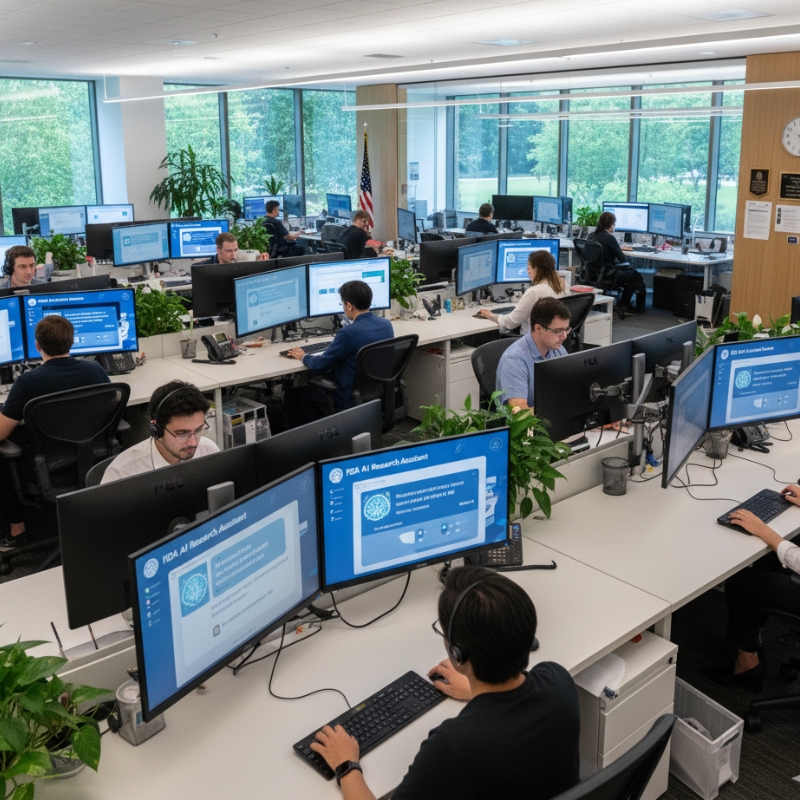
The U.S. Food and Drug Administration today announced the deployment of agentic AI capabilities for all agency employees.

National Commission is seeking evidence to shape regulation of AI in healthcare and support the UK’s ambition for a world-leading, AI-enabled NHS

By recognizing how we think and learn, we can start to see what we’re giving up in the name of convenience.

Disproportionality analysis, finding associations in the co-reporting of drugs and events, is widely used in pharmacovigilance to detect potential safety signals of adverse drug reactions. However, inherent biases and unique data features often cause disproportionality to diverge from causation, and a comprehensive framework to address these issues is lacking
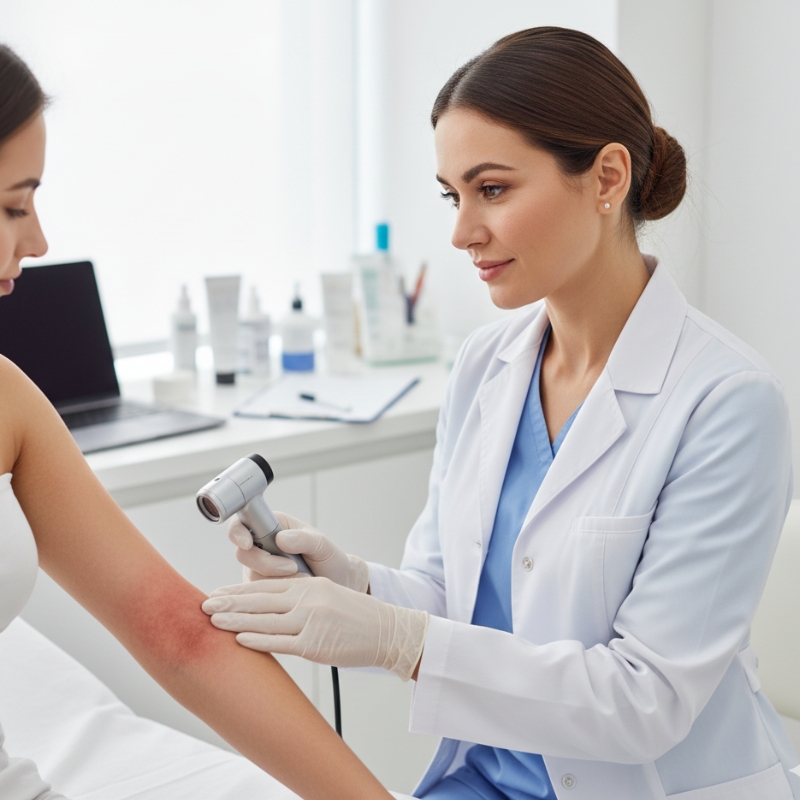
Many adverse drug reactions (ADRs) to dermatological drugs may be underrecognized due to limitations in traditional surveillance. Systematic, hypothesis-free screening for such ADRs using real-world data is an underutilized approach in dermatology.

What happened in 2025? Well, a lot. There were tariffs, breakthroughs and disappointments with AI, and a wobbly economy that sent decidedly mixed signals. There were crises of purpose, execution, and management.
Pictures used in this newsletter were generated by AI.